

What the LSR Standard Means for Corporate Carbon Accounting
February 26, 2026
On the 30 January 2026, the GHG Protocol officially released its first-ever Land Sector and Removals (LSR) Standard. This is a major milestone in global carbon accounting.

The new Standard provides a global, science-based framework to measure and report GHG emissions and CO₂ removals linked to land use and emerging carbon removal technologies. Until now, many organisations have lacked a credible and consistent way to account for these sources. That’s a big gap—especially considering that agriculture and land use change account for around a quarter of global GHG emissions.
The new LSR Standard changes that.
Timing
The LSR Standard will take effect from the 1 January 2027, giving organisations time to prepare and adapt existing GHG accounting systems. While the Executive Summary document is already available, the full guidance is expected to be published in Q2 2026.
What does the LSR Standard cover?
The Standard enables companies to account for and report emissions from:
- Land use change
- Land management
- Biogenic products
- CO2 removals.
Who should use it?
The Standard is particularly relevant for:
- Companies that purchase, consume, process or sell agricultural products (e.g. food and beverage companies, consumer goods companies and apparel retailers)
- Companies that own or control significant areas of land (e.g. agricultural producers or land developers)
For these organisations, the LSR Standard offers a pathway to more complete, transparent and decision-useful climate reporting and better tracking of progress towards climate targets.
Looking ahead
While this first version of the standard focuses on agricultural land and CO2 removals, it intentionally excludes forestry and non-productive lands. The Independent Board has acknowledged the scientific and practical complexities of forest carbon accounting, and to avoid delaying the release, has indicated that forestry accounting is expected to be addressed in future updates.

What should organisations do?
For many organisations, now is the time to start building the data, systems and governance needed to be ready. Organisations should first assess whether land use change emissions are material to their emissions profile, and review how their existing approach aligns with the new LSR Standard. Taking early action will help identify gaps and ensure a smoother transition when the Standard comes into effect, as well as readiness for external reporting requirements such as AASB S2.
Please Contact Us if you would like to learn more.
Cress is the Hydroflux Group’s in-house sustainability consulting team, operating as a specialised division and driven by a simple but powerful goal: to help organisations across Australia, New Zealand and the Pacific region create a more sustainable future. As a young and agile team, we combine technical expertise with fresh, forward-thinking approaches to help clients navigate complex challenges across climate risk, emissions reduction, modern slavery, water stewardship, and ESG reporting, building on the Hydroflux legacy of engineering excellence while bringing a sustainability lens to the industries and communities shaping the future of our region.
Up Next
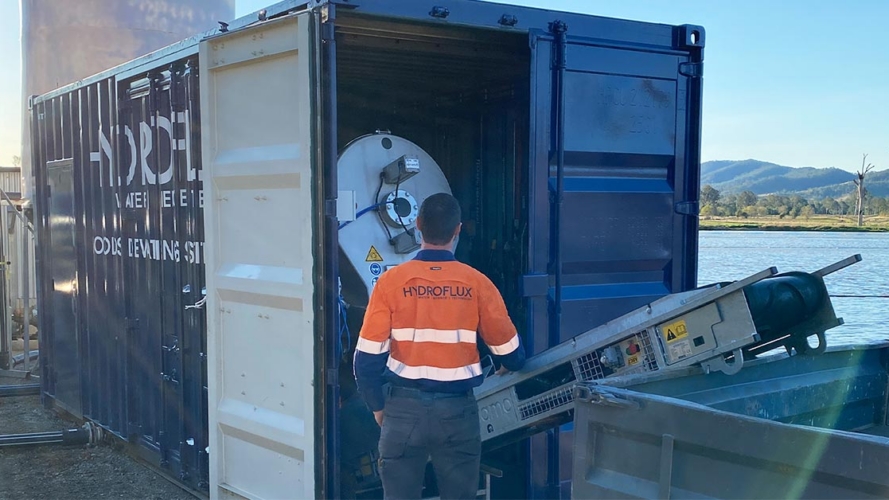
Containerised Sludge Dewatering for Flexible, On-Demand Performance
Categories
- Tradeshows
- Climate
- Community Engagement
- Corporate Announcements
- Group News
- Newsletters
- Product News
- Project Announcement