

Automation in Water Treatment: Supporting Operators, not Replacing Them
February 17, 2026
Automation has become a standard expectation in modern water and wastewater treatment systems. PLC control, online instrumentation and remote monitoring are now commonplace across industrial, mining and municipal assets.
However, there remains a gap between how automation is often described and how it performs in real operating environments.
In practice, automation does not make a treatment plant autonomous. Water quality, flows and loadings are inherently variable, particularly in industrial applications. Changes in production, upstream processes, maintenance activities and even weather events all influence system performance. Effective automation must therefore be designed to help operators manage this variability, rather than attempting to remove the need for human oversight.
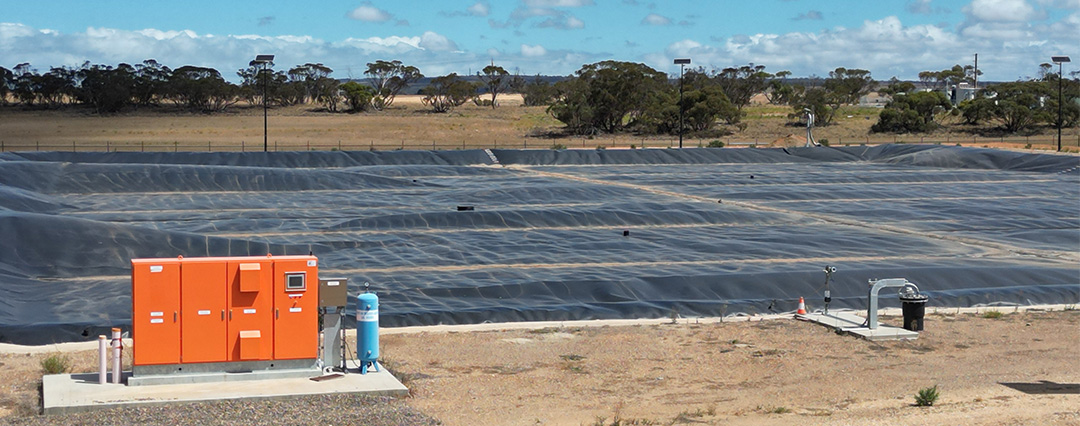
Hydroflux approaches automation as a risk-management tool. Our control systems are designed to maintain stable operation within defined limits while providing operators with clear information, reliable alarms and practical control strategies. The objective is to reduce unnecessary intervention, not to remove operational accountability.
Well-designed automation stabilises performance in water and wastewater treatment plants by controlling key process parameters such as flows, levels, dissolved oxygen, chemical dosing rates and membrane operation as examples. By maintaining these parameters within appropriate ranges, abnormal conditions can be detected early and addressed before they escalate into process upsets or equipment damage.
Remote monitoring is a critical extension of this philosophy. Rather than replacing site personnel, remote access allows experienced engineers (and increasingly advanced analytics and AI tools) to review performance trends, diagnose emerging issues and support operators in real time. This capability is particularly valuable for remote sites, facilities with limited staffing, or assets operating outside normal working hours. The result is faster fault resolution, reduced downtime and greater confidence in system performance.
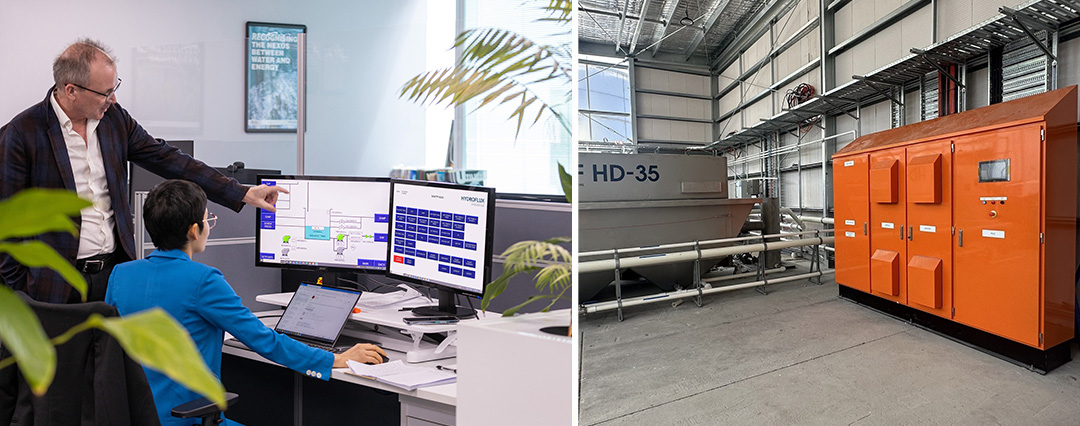
A common mistake in automation design is over-complexity. Highly sophisticated control logic may appear attractive on paper but can become difficult to understand, troubleshoot and maintain in practice. Hydroflux prioritises clear, robust automation strategies that reflect how plants are actually operated. This includes sensible alarm management, manual override capability, and control systems that remain functional even when instrumentation or communications are temporarily unavailable.
Automation also plays a key role in long-term asset performance. Consistent operation reduces process stress, chemical overuse and membrane fouling, lowering operating costs and extending equipment life. When combined with structured operations and maintenance programs, automation becomes a foundation for predictable performance rather than a source of hidden risk.
Ultimately, successful automation is not about removing people from water treatment operations. It is about equipping operators with better tools, clearer information and stronger support. When designed correctly, automation improves reliability, reduces risk and allows treatment systems to perform as intended under real-world operating conditions.
To learn more about Hydroflux, please visit www.hydroflux.au or call us on 1300 417 697 to discuss our range of water and wastewater solutions.
About the Hydroflux Group
The Hydroflux Group aims to deliver the highest level of engineering and scientific know-how to the emerging issues of sustainability, climate adaptation and environmental protection with a specific focus on water and wastewater.
As part of its vision and mission, Hydroflux has always taken its climate responsibility seriously. In 2022, Hydroflux became Australia’s first water treatment and technology company to achieve Climate Active carbon neutral certification for its organisation and products. It knows that partnering with customers and clients is the most significant impact it can have in its journey. The Group employs over 100 staff and operates throughout Australia, New Zealand and the Pacific Islands, with office locations in Sydney, Melbourne, Brisbane, Perth, Auckland, Suva and Portsmouth.
Up Next
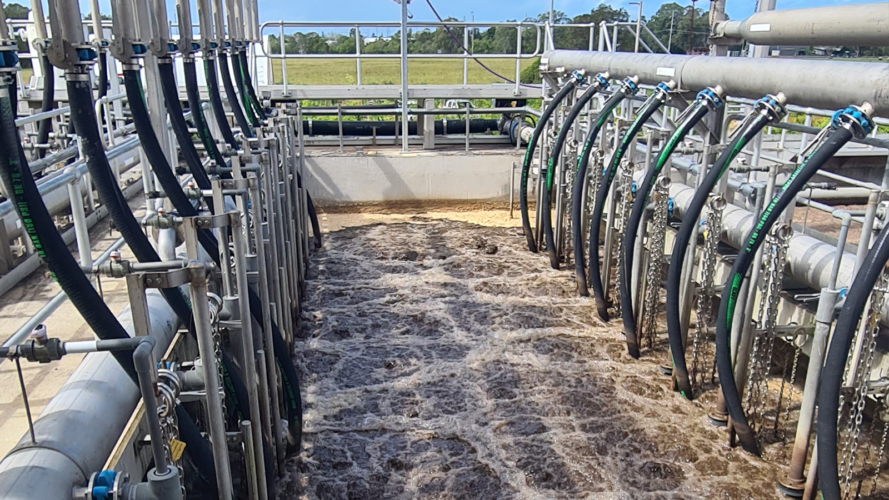
HySmart® – Membrane Bioreactor Systems for Industry
Categories
- Tradeshows
- Climate
- Community Engagement
- Corporate Announcements
- Group News
- Newsletters
- Product News
- Project Announcement